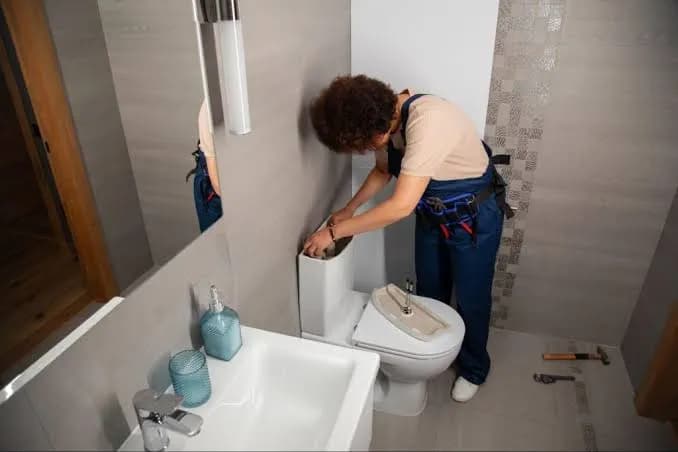
Common Plumbing Problems in Singapore Homes: What to Do Before the Problem Gets Worse
SG Home Fixing13 September 202610 min read
Common Plumbing Problems in Singapore Homes: What to Do Before the Problem Gets Worse
Plumbing problems rarely happen at a convenient time. A tap starts dripping when you are trying to sleep, the kitchen sink drains slowly while you are preparing food, water appears underneath the bathroom basin, or the toilet suddenly refuses to flush properly. These problems may look small at first, but ignoring them can create more inconvenience and potentially cause damage around your home.
For homeowners and tenants in Singapore, the most useful approach is to identify what is actually happening and arrange the right plumbing service before the problem becomes more difficult to manage. You do not always need major plumbing work. Sometimes the solution is a straightforward repair or replacement of a faulty component.
Your Tap Keeps Dripping
A dripping tap is one of the easiest plumbing problems to ignore because the amount of water may seem insignificant. However, listening to the constant dripping every day can become irritating, and the problem may indicate that part of the tap or its connection is no longer working properly.
If tightening the tap does not stop the dripping, avoid repeatedly forcing it. Excessive tightening can sometimes make the problem worse or damage the fitting.
A plumbing service can inspect the tap and determine whether the affected component can be repaired or whether replacing the fitting is more practical.
This is particularly useful for kitchen and bathroom taps that are used frequently throughout the day.
Your Kitchen Sink Drains Slowly
A slow kitchen sink is often an early warning that something is restricting the drainage system. You may notice that water takes longer than usual to disappear after washing dishes.
Many people wait until the sink becomes completely blocked before taking action. By then, the inconvenience is much greater because water may remain in the basin and normal kitchen use becomes difficult.
If your sink has been draining increasingly slowly, deal with the problem early. A professional can assess the drain and determine the appropriate way to clear the blockage without unnecessarily damaging the plumbing.
You should also avoid putting grease, food waste and unsuitable materials down the drain because they can contribute to recurring blockage problems.
Water Is Leaking Under the Sink
Finding water inside the cabinet underneath your kitchen or bathroom sink can be worrying. The leak may come from a connection, pipe, trap or fitting, and the source is not always immediately obvious.
One common mistake is wiping up the water and assuming the problem has disappeared. If the leak continues, moisture can remain inside the cabinet and potentially damage stored items or the surrounding materials.
Remove items from the affected area and check whether water is continuing to appear. If you cannot identify or safely address the source, arrange a plumbing inspection.
The sooner the source is identified, the easier it may be to prevent further damage.
Your Toilet Is Not Flushing Properly
A toilet that does not flush correctly can quickly become a daily inconvenience. You may notice weak flushing, repeated flushing requirements, unusual water movement or a toilet that continues running after use.
Do not keep forcing the flush mechanism if something appears to be malfunctioning. Repeated use may not solve the underlying problem.
The issue could involve the flushing mechanism, water supply or another component of the toilet installation. A plumber can inspect the system and recommend the appropriate repair or replacement.
Your Toilet Keeps Running
A toilet that continues to run after flushing wastes water and can be surprisingly difficult to ignore once you notice the sound.
If the problem happens occasionally, homeowners sometimes postpone it because the toilet still appears to work normally. However, continuous running usually means something is not closing or operating correctly.
Instead of repeatedly adjusting the handle or attempting temporary fixes, have the mechanism checked if the problem continues.
A simple component replacement may sometimes solve the issue, but the actual cause should be identified first.
Your Bathroom Drain Is Blocked
A blocked bathroom drain can create standing water around the shower or basin. This is inconvenient and can make the bathroom difficult to use normally.
Hair, soap residue and other materials can gradually build up inside drainage systems. A slow drain is often the first sign that a blockage is developing.
If the water is draining increasingly slowly, arranging service before the drain becomes completely blocked can make the situation easier to manage.
Avoid repeatedly using harsh chemicals without knowing what is causing the blockage. If the problem keeps returning, professional assessment can help identify why the drainage is not working properly.
There Is Water on the Bathroom Floor
Unexpected water on the bathroom floor does not always mean that someone simply splashed water while showering. If the same area repeatedly becomes wet, there may be a leak or drainage problem that needs attention.
Check whether the water appears after using the basin, toilet or shower. Identifying when the water appears can provide useful information about the possible source.
If you cannot determine where the water is coming from, arrange a plumbing inspection instead of repeatedly drying the floor without addressing the cause.
Your Pipe or Fitting Is Leaking
Visible water around a pipe, joint or fitting should not be ignored. Even a small leak can create ongoing moisture around the affected area.
The most important thing is to identify whether the water is coming from the pipe, a connection or another nearby source. What looks like a pipe leak from the outside may sometimes originate from a different fitting above or beside it.
A plumber can inspect the affected area and determine what needs to be repaired or replaced.
Your Sink or Basin Is Damaged
Sometimes the problem is not only the plumbing underneath the sink. The sink, basin or connected fitting itself may be damaged, loose or no longer suitable for normal use.
If you are already planning to replace an old basin or tap, consider the complete installation rather than buying a replacement without checking the existing connections.
The new fixture needs to work with the existing plumbing arrangement, and the installation should be checked for leaks after completion.
You Are Replacing a Toilet or Plumbing Fixture
Replacing a plumbing fixture can seem like a simple purchase-and-install job. However, the new fixture needs to fit the existing space and plumbing connections.
Before buying a replacement, check dimensions, connection requirements and the condition of the surrounding area. This is particularly important if the existing installation is old or has already experienced leaks.
If you are unsure about compatibility, discuss the replacement with the plumbing service provider before purchasing the new fixture.
Plumbing Problems After Renovation
Renovation can change how your kitchen, bathroom or other areas are used. You may want a new sink, relocate a fixture or replace an old plumbing fitting.
Plumbing requirements should be considered before walls, cabinets, ceilings or other finishing work is completed. Otherwise, you may end up needing additional work after the area has already been finished.
If plumbing work is part of a larger renovation, provide the complete scope to the contractor or service provider early. Proper coordination can reduce unnecessary rework.
Your Plumbing Problem Keeps Coming Back
Recurring plumbing problems are especially frustrating. You may have already cleared a drain, tightened a fitting or replaced a small component, only to see the same problem return a few days or weeks later.
When a problem repeatedly returns, the focus should move from temporary relief to identifying the underlying cause.
For example, a drain that repeatedly becomes blocked may need more than another quick clearing. A recurring leak may indicate that the affected fitting or surrounding installation requires closer inspection.
Tell the plumber that the problem has happened before. This information can be important when deciding how to approach the repair.
What to Do Before the Plumber Arrives
A few simple steps can make the service visit easier.
First, identify exactly where you see the problem. Take note of whether the leak happens continuously or only when a tap, sink, toilet or shower is being used.
Clear the area around the affected plumbing so the technician can access it easily. Remove items from underneath a leaking sink and keep the surrounding floor clear.
If the problem is intermittent, describe when it usually happens. For example, a drain may become slow only after heavy use, or a pipe may leak only when a particular fitting is turned on.
These details can help the service provider understand the problem more quickly.
Do Not Ignore Small Water Leaks
Small leaks are easy to postpone because they may not immediately cause visible damage. However, ongoing moisture can create additional maintenance problems.
If you notice water around a fitting, pipe, cabinet or floor and cannot identify the reason, it is better to investigate rather than wait for the leak to become severe.
The same applies to taps, toilets and drains. Early attention can help prevent a minor maintenance issue from becoming a much larger inconvenience.
When You Should Call a Professional Plumber
Professional plumbing service is useful when you cannot identify the source of a leak, a blockage keeps returning, a fixture needs replacement, or the problem is affecting normal use of your home.
It is also a practical choice when you do not have the tools or experience needed to complete the repair properly.
Trying several temporary fixes without solving the actual problem can cost more time and money in the long run.
For plumbing work in Singapore, make sure the work is handled according to the applicable requirements and by an appropriately qualified or licensed worker where required.
Combine Plumbing With Other Home Maintenance
Plumbing problems are often discovered while other work is being carried out. You may find a leaking pipe while renovating a kitchen, notice a damaged wall after a plumbing issue, or discover that a bathroom needs both plumbing and general handyman work.
If you already have several maintenance issues, provide the full list when arranging service. This can make it easier to organise related work and reduce repeated appointments.
Get Plumbing Services From SG Home Fixing
SG Home Fixing provides plumbing services in Singapore for homeowners, tenants, landlords and property owners dealing with common plumbing problems.
From leaking taps and sinks to drainage problems, toilet issues, pipe leaks and plumbing fixture replacement, the first step is to identify the actual problem and choose the appropriate solution.
If a plumbing issue is affecting your daily routine, do not wait until a small problem becomes a major inconvenience. Explain what you are experiencing and arrange the right service for your property.
Contact SG Home Fixing at +65 8216 4212 for plumbing service in Singapore.